التعليم القائم على المهارات أولاً: بناء خريجين جاهزين لسوق العمل من أجل اقتصاد المملكة العربية السعودية المستقبلي
Session Summary:
هل خريجوك مستعدون حقًا لاقتصاد رؤية 2030؟ يشير أصحاب العمل في جميع أنحاء المملكة العربية السعودية إلى فجوة مستمرة: الخريجون لديهم مؤهلات ولكنهم غالبًا ما يفتقرون إلى المهارات العملية والقدرة على التكيف والكفاءات التي يتطلبها سوق العمل. يعطي التعليم التقليدي الأولوية لتغطية المحتوى والدرجات العلمية، ومع ذلك يتحول الاقتصاد العالمي نحو التوظيف "القائم على المهارات أولاً" حيث تهم القدرات المثبتة أكثر من السجلات الأكاديمية وحدها. تتجاوز هذه الجلسة الخطاب لتوضح كيف يمكن للمدارس والجامعات جعل الانتقال إلى نهج المهارات أولاً حقيقة واقعة. سيستكشف المشاركون أطر عمل مثبتة لتحديد الكفاءات المطلوبة، وتصميم المناهج حول احتياجات القوى العاملة بدلاً من التقاليد الأكاديمية، وبناء شراكات حقيقية مع الصناعة، وتنفيذ الشهادات الصغيرة والشارات الرقمية، وقياس الاستعداد الفعلي لسوق العمل. بالاستفادة من النماذج الناجحة من المؤسسات الرائدة والمتوافقة مع أولويات التنويع الاقتصادي للمملكة العربية السعودية، ستغادر باستراتيجيات قابلة للتنفيذ لضمان أن الخريجين لا يحصلون فقط على درجات علمية - بل يكتسبون المهارات التقنية والرقمية والريادية والإنسانية للازدهار في سوق العمل السريع التطور في المملكة. احصل على رؤى حول:
• كيفية تصميم أطر التعلم القائمة على الكفاءة وضمان التوافق بين النتائج التعليمية ومتطلبات سوق العمل الخاصة بقطاعات رؤية السعودية 2030
• بناء شراكات فعالة بين الصناعة والتعليم توفر معلومات استخبارية لسوق العمل في الوقت الفعلي، ومساءلة مشتركة عن نتائج قابلية توظيف الخريجين
• كيفية تنفيذ أنظمة الاعتراف بالمهارات والاعتماد التي تتحقق من فعالية البرنامج في إنتاج خريجين جاهزين لسوق العمل
Speakers
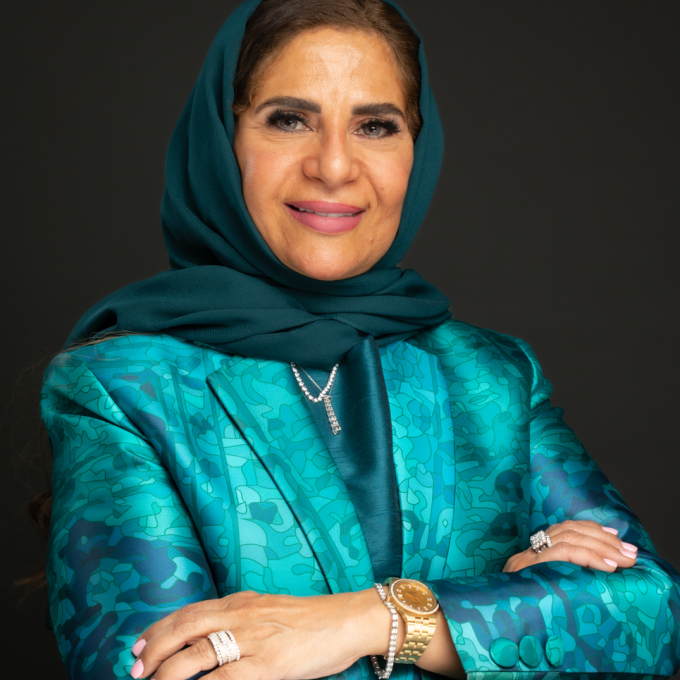
Dr. Maha Bawazir
|
Chief Adviser/Founder - Global Education Consultancy
Skills-First Education: Building Workforce-Ready Graduates for Saudi Arabia's Future Economy
Session Summary:
Are your graduates truly ready for Vision 2030's economy? Employers across Saudi Arabia report a persistent gap: graduates have credentials but often lack the practical skills, adaptability, and competencies the workforce demands. Traditional education prioritises content coverage and degrees, yet the global economy is shifting toward "skills-first" hiring where demonstrated abilities matter more than transcripts alone. This session cuts through the rhetoric to show how schools and universities can make the skills-first transition real. Participants will explore proven frameworks for identifying in-demand competencies, designing curriculum around workforce needs rather than academic tradition, building genuine industry partnerships, implementing microcredentials and digital badges, and measuring actual workforce readiness. Drawing on successful models from leading institutions and aligned with Saudi Arabia's economic diversification priorities, you'll leave with actionable strategies to ensure graduates don't just earn degrees—they gain the technical, digital, entrepreneurial, and human skills to thrive in the Kingdom's rapidly evolving job market. Get insights on:
• How to design competency-based learning frameworks and ensure alignment between educational outcomes and labour market demands specific to Saudi Vision 2030 sectors
• Building effective industry-education partnerships that provide real-time labour market intelligence, and shared accountability for graduate employability outcomes
• How to implement skills recognition and credentialing systems that validates program effectiveness in producing workforce-ready graduates
Speakers
Dr. Maha Bawazir
|
Chief Adviser/Founder - Global Education Consultancy
تطوير التميز التربوي: بناء القدرات من مرحلة ما قبل الخدمة إلى المعلمين المخضرمين
Session Summary:
يتطلب إنشاء معلمين استثنائيين نهجًا شاملاً يمتد من الإعداد الأولي للمعلم إلى التطوير المهني المستمر. تستكشف هذه الجلسة الاستراتيجيات المتكاملة لتطوير التميز التدريسي عبر سلسلة المسار الوظيفي بأكملها، معالجةً الحاجة الماسة لمواءمة التدريب قبل الخدمة مع بناء القدرات أثناء الخدمة لتحقيق تأثير تعليمي مستدام. تركز الجلسة على بناء أنظمة متماسكة تربط الفجوة بين النظرية والممارسة، وتعزز ثقافات التعلم التعاوني، وتضمن حصول جميع المعلمين - بغض النظر عن مرحلتهم المهنية - على الأدوات والمعرفة والدعم اللازم لتعظيم نجاح الطلاب. انضم إلى هذه الجلسة من أجل:
• تصميم مسارات تطوير متكاملة لإنشاء أنظمة شاملة لتطوير المعلمين تربط الإعداد قبل الخدمة بالنمو المهني المستمر، مما يضمن الاستمرارية والتقدم طوال المسيرة التدريسية
• بناء نظم بيئية للتعلم التعاوني مع برامج الإرشاد، ومجتمعات التعلم المهنية، وشبكات دعم الأقران التي تربط المعلمين المبتدئين والمتمرسين في علاقات تعلم مفيدة للطرفين
• تنفيذ برامج بناء قدرات الأطر التربوية الحديثة التي تعالج كفاءات التدريس في القرن الحادي والعشرين، بما في ذلك دمج التكنولوجيا، والاستجابة الثقافية، والتعليم المتمايز، والممارسات الشاملة
• إنشاء أنظمة دعم مستدامة توفر التوجيه المستمر، وفرص الممارسة التأملية، والتطوير المهني الموجه الذي يتكيف مع احتياجات المعلمين الفردية ومراحلهم المهنية
Abena Appiah
|
Head of Secondary English - Arcadia British School
Noshaba Anbreen
|
Academic Researcher & International Teacher Trainer
Dr. Connie Mitchell
|
Director, Teaching and Learning Center - Prince Sultan University
Amal AlAmoudi
|
Director - Education Leaders Institute, RSG
-
Developing Educator Excellence: Building Capacity from Pre-Service to Veteran Teachers
Session Summary:
Creating exceptional educators requires a comprehensive approach that spans from initial teacher preparation through ongoing professional development. This session explores integrated strategies for developing teaching excellence across the entire career continuum, addressing the critical need to align pre-service training with in-service capacity building for sustained educational impact. The session focuses on building coherent systems that bridge the theory-practice gap, foster collaborative learning cultures, and ensure all educators—regardless of career stage—have the tools, knowledge, and support needed to maximise student success. Join this session to:
• Design integrated development pathways to create comprehensive educator development systems that align pre-service preparation with ongoing professional growth, ensuring continuity and progression throughout teaching careers
• Build collaborative learning ecosystems with mentorship programs, professional learning communities, and peer support networks that connect novice and experienced teachers in mutually beneficial learning relationships
• Implement modern pedagogical frameworks capacity-building programs that address 21st-century teaching competencies, including technology integration, cultural responsiveness, differentiated instruction, and inclusive practices
• Create sustainable support systems that provide ongoing coaching, reflective practice opportunities, and targeted professional development that adapts to individual teacher needs and career stages