29 سبتمبر - 1 اكتوبر 2026
|
مركز ذي أرينا الرياض للمعارض والفعاليات| المملكة العربية السعودية.
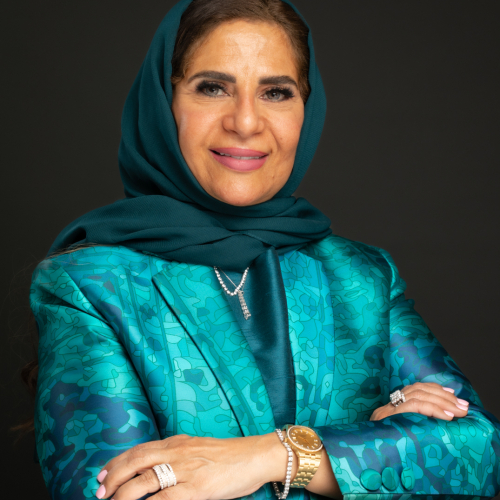
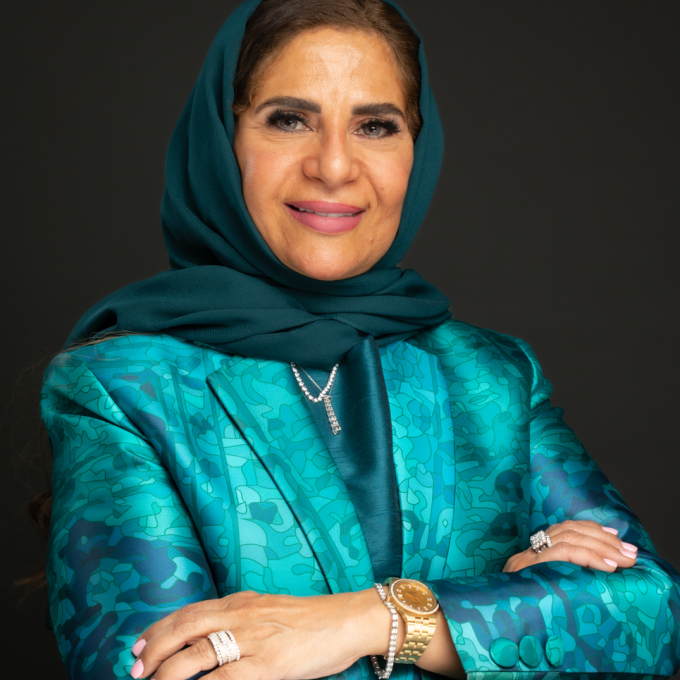
Dr. Maha Bawazir
Chief Adviser/Founder - Global Education Consultancy
Dr. Maha Bawazir is a senior executive leader in education transformation, quality assurance, and institutional evaluation with more than 40 years of experience across public, private, and international education sectors. She served for over 35 years within the Saudi government education sector in teaching, school leadership, supervision, and strategic educational administration.
Dr. Maha has extensive expertise in educational governance, operational excellence, organizational transformation, school improvement systems, and international accreditation standards. She has contributed to the development of quality frameworks and strategic initiatives that align global best practices with Saudi educational priorities and Vision 2030 objectives.
In addition to her leadership experience, she advises educational organizations, school groups, and international operators on quality assurance, regulatory alignment, strategic planning, performance improvement, and institutional readiness. She is actively engaged in policy dialogue, international collaboration, and executive-level educational consulting across the Kingdom and the wider region.
Her professional background includes deep experience in school operations, accreditation readiness, educational evaluation, leadership development, and system-wide transformation initiatives designed to improve educational outcomes and organizational effectiveness.
Speaker Sessions
Leaders in Education
1499
-
Skills-First Education: Building Workforce-Ready Graduates for Saudi Arabia's Future Economy
Session Summary:
Are your graduates truly ready for Vision 2030's economy? Employers across Saudi Arabia report a persistent gap: graduates have credentials but often lack the practical skills, adaptability, and competencies the workforce demands. Traditional education prioritises content coverage and degrees, yet the global economy is shifting toward "skills-first" hiring where demonstrated abilities matter more than transcripts alone. This session cuts through the rhetoric to show how schools and universities can make the skills-first transition real. Participants will explore proven frameworks for identifying in-demand competencies, designing curriculum around workforce needs rather than academic tradition, building genuine industry partnerships, implementing microcredentials and digital badges, and measuring actual workforce readiness. Drawing on successful models from leading institutions and aligned with Saudi Arabia's economic diversification priorities, you'll leave with actionable strategies to ensure graduates don't just earn degrees—they gain the technical, digital, entrepreneurial, and human skills to thrive in the Kingdom's rapidly evolving job market. Get insights on:
• How to design competency-based learning frameworks and ensure alignment between educational outcomes and labour market demands specific to Saudi Vision 2030 sectors
• Building effective industry-education partnerships that provide real-time labour market intelligence, and shared accountability for graduate employability outcomes
• How to implement skills recognition and credentialing systems that validates program effectiveness in producing workforce-ready graduates
Speakers
Dr. Maha Bawazir
|
Chief Adviser/Founder - Global Education Consultancy
Future Skills Frameworks: What Education Systems Must Do Now
Session Summary:
As job markets evolve rapidly, education systems face the urgent challenge of preparing students for roles that often do not yet exist. Developing a future-ready workforce requires rethinking traditional curricula and embedding future skills such as AI literacy, digital fluency, critical thinking, creativity, and innovation into every level of education. This panel brings together regional and international experts to share practical frameworks, success stories, and lessons learned from implementing future skills initiatives in schools, universities, and EdTech programs. Panelists will discuss strategies for curriculum redesign, teacher professional development, and systemic approaches that bridge policy, pedagogy, and technology. The session will also explore how AI and emerging technologies can enhance learning while equipping students with the competencies they need to thrive in a rapidly changing economy.
• Create actionable frameworks that can be adapted to your local context
• Learn how to overcome challenges in teacher readiness and resource allocation, and understand the broader implications of future skills development for national and global competitiveness
• Learn how to overcome challenges in teacher readiness and resource allocation, and understand the broader implications of future skills development for national and global competitiveness
Speakers
Rania Obeid
|
Director Consultant - STEM Smart Learning
Dr. Maha Bawazir
|
Chief Adviser/Founder - Global Education Consultancy