Join us at the GESS Talks live stage and see speakers tackle key education challenges, trends, and Saudi Arabia 2030's impact. Expect bold ideas, fresh insights, and engaging discussions.
Conference (Conference Session)
-
Beyond Academics: How School Leaders Can Nurture Creative & Performing Arts in Alignment with Vision 2030
Session Summary:
As Saudi Arabia advances Vision 2030's vision of a vibrant society and thriving economy, educational leaders face the strategic imperative of transforming creative and performing arts from peripheral activities into core learning experiences. This session addresses the leadership decisions required to elevate arts education as a driver of student agency, cultural identity, and innovation capability. Participants will explore systematic approaches to integrating performing arts into curriculum frameworks, assessment strategies, and school improvement planning whilst aligning with national competency development goals. The session provides actionable implementation models that demonstrate how arts-integrated education strengthens student engagement, community connection, and cultural pride whilst supporting Vision 2030's Human Capability Development objectives. Participants will be able to:
• Analyse leadership strategies for transforming school structures and systems to position creative and performing arts as integral learning pathways that support Vision 2030's cultural and economic development goals rather than supplementary activities
• Design sustainable arts integration frameworks that embed performance-based learning into curriculum delivery, authentic assessment practices, and school improvement planning whilst strengthening student identity, confidence, and community engagement
• Evaluate implementation approaches for building educator capacity in interdisciplinary arts education, developing community partnerships, and creating scalable models that align creative programming with national competencies and cultural relevance in Saudi educational contexts
Speakers
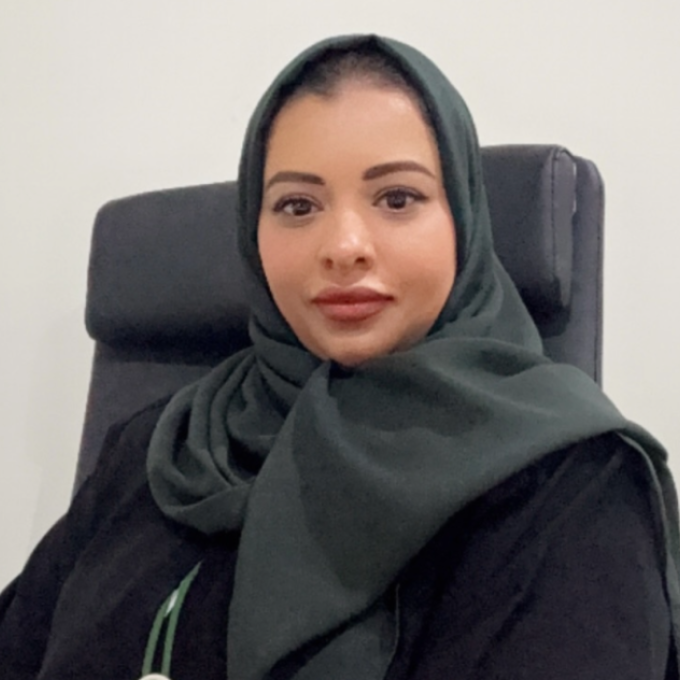
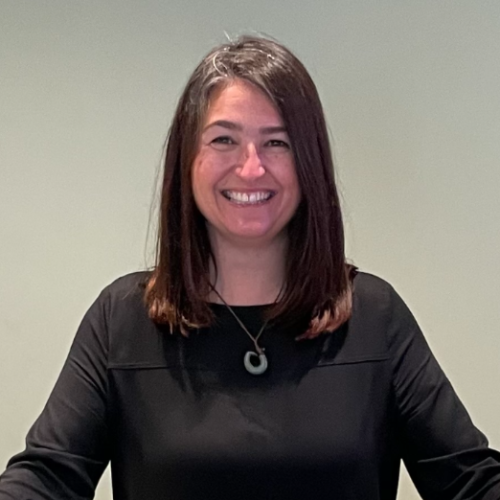
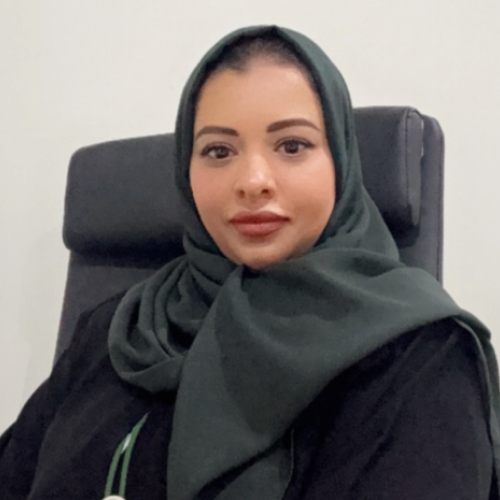
Chassie Selouane
|
Executive Principal of Schools Al-Feras Educational Company/ Jeddah International School
Categories
Leadership and Professional Development
-
Beyond Assessment: Using AI to Understand Every Learner
Session Summary:
This session would explore how schools can move beyond traditional assessment scores to use assessment evidence, learning data, and AI to develop a deeper understanding of individual learners—identifying strengths, learning gaps, misconceptions, growth, and next steps—while ensuring that teachers remain at the center of educational decision-making.
From Recall to Rigour: Fixing Common Mistakes in Assessment Design
Session Summary:
Many classroom assessments unintentionally reward memorization rather than meaningful understanding. As a result, students may perform well on tests without demonstrating deeper thinking, application, or analysis. This workshop explores common mistakes in assessment design and provides practical strategies for improving the quality and rigor of classroom assessments. Participants will examine real examples of assessment tasks, identify common pitfalls related to command terms, mark allocations, cognitive demand, and question design, and learn how to create assessments that better measure student understanding and higher-order thinking. Drawing on experience as a Head of Department and IB Examiner, the session will provide practical tools that teachers can immediately apply across a range of subjects and curricula. Attendees will leave with a clearer understanding of assessment literacy and concrete strategies for designing assessments that promote deeper learning and more authentic evidence of student achievement.
Speakers
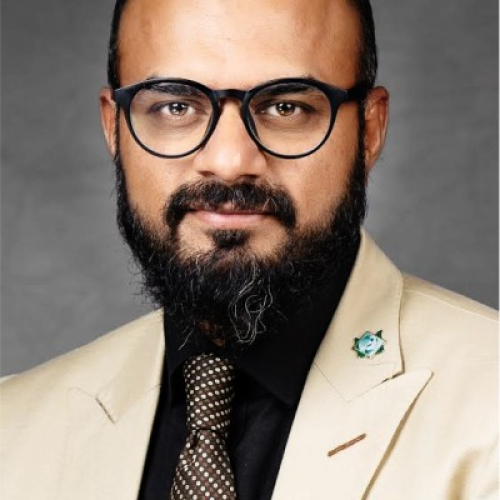
Saaqib Siddiqui
|
Head of Department and IB Examiner for IB Business Management - King Faisal School
-
From Capability to Representation: Designing the Youth Development Engine Behind National Excellence
Session Summary:
This session explores how schools can design co-curricular provision as the internal capability engine that prepares young people for national and international representation. While Saudi Arabia's Vision 2030 places youth at the center of national transformation through initiatives like Project 10, the leadership, resilience, purpose, and professional conduct required for these platforms must be developed gradually through intentionally designed school experiences. The session examines why participation alone is insufficient and demonstrates how shared frameworks create coherence and consistency in youth development outcomes. Learn how to:
• Design intentional development systems and co-curricular frameworks that systematically build leadership, resilience, and professional conduct through purposeful experiences
• Connect school practice to national vision with Vision 2030 youth development goals and national representation opportunities at the core
• Implement capability frameworks through practical tools for measuring and developing student capabilities that prepare them for national and international platforms
From Noise to Narrative: A Case Study in Building a Shared Language Across a School Community
Session Summary:
When schools lack a shared language, the same words can produce different meanings and different actions. Teachers, support teams, leaders, students, and families may all believe they are aligned, yet daily decisions reveal fragmentation: inconsistent expectations, mixed messages, and stalled initiatives. This 20-minute case study narrates the transformation of one school from operating with "multiple dialects" to adopting a coherent and practical language that enhanced communication and accelerated implementation. Through a structured case-study narrative, the session shares the key challenges and practical moves that helped stakeholders align on common definitions and shared expectations, demonstrating how clear definitions, consistent communication routines, and aligned policies can turn shared language into effective daily practice. Join this session to:
• Learn how to identify and address language fragmentation within school communities, using real case study examples to understand how inconsistent terminology creates barriers to effective implementation and stakeholder alignment
• Gain practical stakeholder-management strategies and simple diagnostic tools to surface communication misalignments early, create buy-in across diverse school community members, and establish common definitions that support shared expectations
• Acquire a transferable, step-by-step approach for developing and implementing coherent communication systems in your own school context, including strategies for creating consistent communication routines and aligned policies without adding unnecessary bureaucracy
Speakers
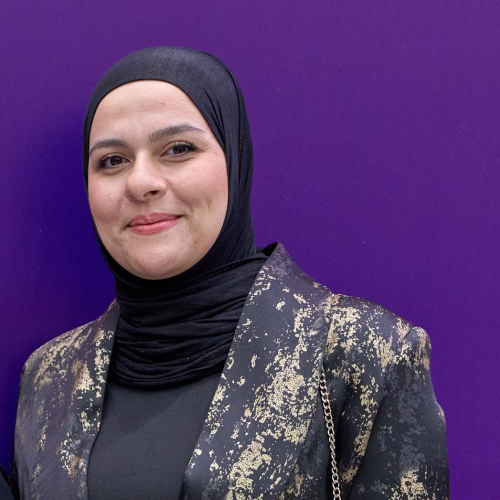
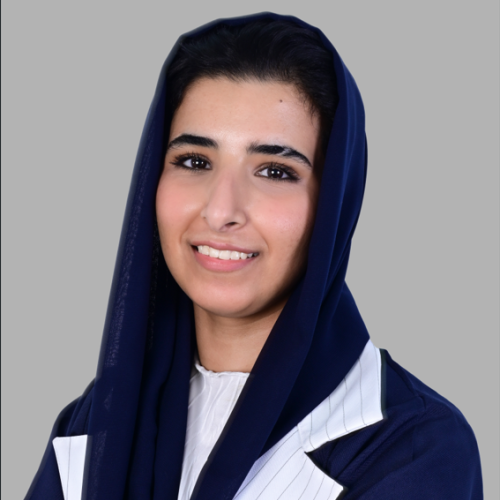
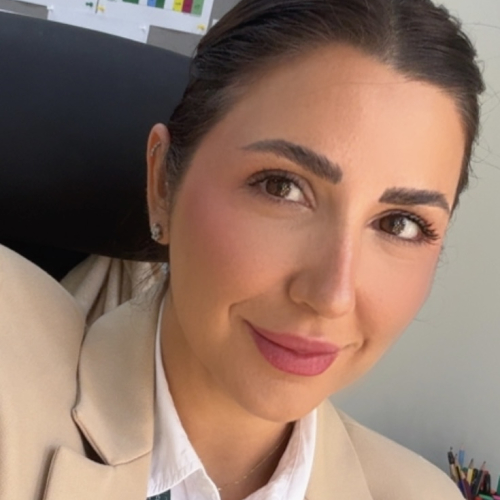
Abeer Hammoud
|
Academic Advisor - Najd National Schools
Transforming Teaching Excellence: Strategic Approaches to Teacher Training and Development
Session Summary:
Effective teacher development is the cornerstone of educational excellence, yet many institutions struggle to create training programs that translate into measurable classroom impact. This session explores evidence-based approaches to teacher training that move beyond one-size-fits-all professional development to create personalised, sustainable growth pathways for educators. Participants will examine how to design comprehensive teacher development ecosystems that integrate mentoring, peer collaboration, technology-enhanced learning, and reflective practice. The session addresses creating cultures of continuous improvement where teachers feel supported to take risks, innovate, and grow professionally while maintaining high standards of student achievement. Join this session to:
• Create evidence-based professional development that directly improves classroom practice and student outcomes through targeted, measurable interventions
• Establish peer mentoring networks and professional learning communities that sustain teacher growth beyond formal training sessions
• Develop individualised growth plans that address diverse teacher needs, career stages, and subject specialisations while maintaining system-wide coherence
• Create assessment frameworks that evaluate training impact on teaching quality, student engagement, and academic achievement to ensure continuous program improvement
Speakers
Chassie Selouane
|
Executive Principal of Schools Al-Feras Educational Company/ Jeddah International School
Reiko Nakauchi
|
Founder & Global Education Innovator - Sora International Preschool
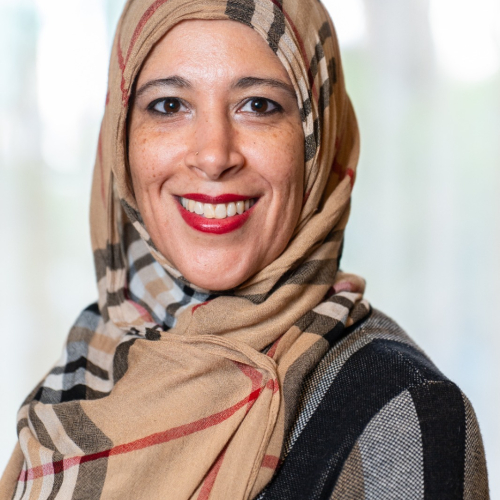
Dr. Reem El Hassan
|
Trainer of School Principals, Lecturer, & Former Chairperson - MUBS University
Dr. Maha Thabet
|
International Trainer & French Teacher - The Orthodox school Amman
Categories
Innovative Teaching Methods
Leadership and Professional Development
-
Building Future Skills Through STEM & Robotics Integration
Session Summary:
This practical workshop demonstrates how robotics, STEM, and programming can be integrated into core subjects such as Mathematics, Science, Literacy, and Social Studies using educational robots. Participants will explore hands-on lesson examples, classroom use cases, and implementation models that align robotics activities with curricular learning outcomes and assessment standards. The workshop introduces a cross-curricular STEM framework combining design thinking, problem-solving, and computational thinking to reinforce academic content. Through real school case studies, the session shows how robotics can support numeracy, physics concepts, logical sequencing, storytelling, digital literacy, and project-based learning without requiring major timetable modifications or expensive infrastructures. Join this session to:
• Master practical strategies for seamlessly incorporating robotics, programming, and STEM activities into Mathematics, Science, Literacy, and Social Studies lessons using educational robots
• Gain hands-on experience with design thinking, problem-solving, and computational thinking approaches that reinforce academic content while developing future-ready skills aligned with Vision 2030 objectives and digital competency requirements
• Discover classroom management strategies, implementation models, and practical approaches for running effective STEM and robotics activities in K-12 environments without major infrastructure investments or timetable disruptions
Speakers
Hiba Ekhlassi
|
Head of Robotics & STEM - AlFaris International School
Categories
AI and EdTech
STEM Education
-
Beyond the Classroom: How Teacher Development Drives Student Success
Session Summary:
This session shares a professional transition from English instructor to Educational Supervisor, focusing on improving teaching and learning through ETEC-aligned curriculum standards, instructional quality, and assessment practices. Drawing on real school experiences, the presentation demonstrates how ETEC-based supervision and professional development strategies can systematically empower teachers while directly enhancing student outcomes. Participants will explore the connection between structured teacher development programs and measurable improvements in classroom instruction, student engagement, and academic achievement through practical examples and evidence-based approaches. Join this session to:
Learn how to implement Educational Training and Evaluation Commission (ETEC) standards for curriculum development, instructional quality, and assessment practices that create systematic improvements in teaching effectiveness and student learning outcomes
Discover evidence-based strategies for creating teacher development programs that move beyond traditional training models to empower educators through ongoing support, mentorship, and capacity building aligned with national standards
Gain practical frameworks for measuring and demonstrating the direct relationship between structured teacher development initiatives and improved student outcomes, including engagement, achievement, and long-term academic success
Speakers
Mai Tarek
|
General Academic Supervisor - Al-Mutaqadimah International Schools
Categories
Leadership and Professional Development
-
Glocalising Safeguarding: A Saudi-Led Model for Leadership, Risk and Awareness
Session Summary:
Teaching in higher education is evolving in response to the changing needs of students and the demands of an increasingly complex world. No longer is effective teaching defined solely by the transmission of knowledge; instead, it requires intentional strategies that actively engage students in the learning process. Student engagement is a key driver of deeper understanding, academic achievement, and long-term success. This presentation explores how teaching styles influence student motivation, participation, and critical thinking, highlighting practical approaches educators can use to create dynamic, student-centered learning environments that foster meaningful learning experiences and prepare students for success in their academic and professional endeavors. Join this session to:
• Learn how to shift from traditional knowledge transmission models to intentional, engagement-focused teaching strategies that actively involve students in the learning process and promote deeper understanding in higher education contexts
• Discover evidence-based connections between specific teaching styles and student outcomes, including motivation levels, classroom participation, and critical thinking development, with practical frameworks for assessing and improving engagement
• Gain actionable strategies and techniques for designing dynamic classroom experiences that prioritise student agency, foster collaborative learning, and adapt to diverse learning preferences while maintaining academic rigor and achieving learning objectives
Categories
Higher Education
Innovative Teaching Methods
Leadership and Professional Development
-
Building Integrated Support Systems for Autism Spectrum Disorder (ASD) within Inclusive Learning Environments
Session Summary:
This session presents an advanced case study on the transition from compliance to excellence in autism education through the systematic implementation of international autism and inclusive education standards. It explores how autism services can be aligned across the full continuum of support, including evidence-informed assessment and diagnosis, individualised educational and therapeutic programming, professional development, family partnership, and continuous progress monitoring using measurable quality indicators.
The session highlights the educational environment as a key structural and pedagogical driver of quality, examining how architectural design, spatial planning, TEACCH principles, furniture selection, and functional colour systems contribute to regulation, predictability, and effective learning for autistic learners. It also demonstrates how international environmental and quality requirements can be translated into operational systems that support sustainable, high-quality autism services.
This case study offers practical insights for education leaders, quality managers, and inclusion specialists seeking internationally aligned models for comprehensive autism support.
Speakers
Samira Hedna
|
Quality Director - Abdul Latif Al Fozan Autism Center
Categories
Special Education Needs (SEN)
Wellbeing and Mental Health
-
Coaching Cultures, Not Compliance Cultures
Session Summary:
This session explores the transformative shift from traditional observation-based evaluation to coaching-centered professional development in schools. Moving beyond compliance-driven approaches, we'll examine how to build psychological safety, implement effective feedback models, and create mentorship systems that scale across educational institutions. The focus is on fostering growth-oriented cultures where educators feel supported, empowered, and continuously developing their practice. Join this session to:
• Learn to shift from compliance-based evaluation to growth-focused coaching conversations that support teacher development through models like GROW, CLEAR, and instructional coaching frameworks
• Discover strategies for creating psychologically safe environments where educators feel comfortable taking risks, sharing challenges, and engaging in honest reflection about their practice
• Explore practical approaches for implementing mentorship programs that can grow across your institution, creating sustainable support networks that foster continuous professional learning and development
Speakers
Mumtaaz Shakoor
|
Head of Department - Riyadh Schools Hittin
Categories
Assessment and Evaluation
-
Beyond the Screen: How Esports Can Transform School Profile, Opportunity and Student Engagement
Session Summary:
Esports is often misunderstood in schools, seen as either a distraction or a niche extracurricular activity. This presentation challenges that narrative and presents Esports as a powerful strategic tool for student engagement, school profile enhancement, and community connection. The presentation explores how Esports programmes can develop transferable skills including teamwork, communication, leadership, performance under pressure and digital literacy — all within a structure that schools can justify educationally and operationally. It also addresses common concerns around screen time, safeguarding and perception, offering practical solutions drawn from lived experience. Join this session to:
• Create comprehensive Esports programmes that align with educational objectives while enhancing school brand, student recruitment, and community engagement
• Address common concerns including screen time management, safeguarding protocols, and stakeholder perception through evidence-based approaches and practical frameworks
• Design Esports curricula that develop transferable skills in teamwork, leadership, digital literacy, and performance management while maintaining academic rigor
• Utilise Esports achievements, international competitions, and student success stories as powerful tools for school promotion, admissions enhancement, and community visibility
Speakers
Phil Mathe
|
Relationship & Partnerships Director - British International School Riyadh
Categories
AI and EdTech
STEM Education
-
Connecting Cultures, Heritage, Thinking, and Learning in Today's Classrooms through Inquiry-Based Learning
Session Summary:
How can educators deepen students' thinking while honoring culture, heritage, and language in today's multilingual and multicultural classrooms? This workshop explores how inquiry-based learning provides a powerful framework for moving beyond surface-level understanding toward meaningful, concept-driven learning. By placing authentic questions and real-world contexts at the center of instruction, inquiry allows students to engage deeply with ideas while drawing on their cultural background, linguistic repertoire, and lived experiences as valuable learning resources. Aligned with the aspirations of Saudi Vision 2030, this approach develops learners who are confident thinkers, effective communicators, and culturally grounded individuals. Join this session to:
• Learn to create inquiry-based learning experiences that integrate culture and heritage as integral components rather than separate themes, exploring concepts through local heritage, Arabic language and identity, and global perspectives while fostering cultural continuity and global openness
• Discover how inquiry-based approaches create purposeful spaces for multiple languages in learning, enabling students to move flexibly between languages, make cross-linguistic connections, and use language as a tool for thinking rather than simple translation
• Gain concrete strategies for planning culturally responsive inquiries, supporting multilingual learners, and creating learning experiences that value students' identities while promoting deep conceptual understanding, strengthening both academic language development and cognitive flexibility
Maslow to Bloom: How Riyadh Schools (Al Namudhajiyah) Embed Social Emotional Learning in Early Childhood
Session Summary:
This panel examines how Riyadh Schools (Al Namudhajiyah) purposefully embeds Social‑Emotional Learning in early childhood by bridging Maslow’s foundational needs with Bloom’s higher‑order thinking. Panelists will share concrete strategies, daily routines, and whole‑school practices that cultivate emotional safety, autonomy, and cognitive growth in young learners. Drawing on real classroom examples, the discussion highlights how SEL strengthens curiosity, resilience, and problem‑solving, enabling children to progress confidently through increasingly complex learning tasks. The session demonstrates how a holistic SEL framework transforms early‑years classrooms into nurturing environments where students thrive academically, socially, and personally. Join this session to:
• Learn how Maslow’s hierarchy of needs informs the creation of emotionally safe, nurturing early‑childhood environments that support readiness for learning.
• Analyse how SEL‑aligned routines and interactions help young children progress through Bloom’s cognitive levels, from foundational understanding to higher‑order thinking.
• Apply practical SEL strategies—drawn from Riyadh Schools’ early‑years classrooms—to strengthen children’s self‑regulation, engagement, curiosity, and problem‑solving.
Speakers
Imen Guiga
|
Academic Vice Principal - Riyadh Schools
Dr Naomi Gordon
|
Deputy Director General - Riyadh schools -Al Namudhajiyah
Nesrine Alsanie
|
KG Principal, Riyadh Schools -Al Namudhjiyah
Deema Al Zamil
|
Wellbeing Vice Principal - Riyadh Schools -Al Namudhjiyah
Categories
Pre-school and Early Years
-
Designing Learning for Impact: From Classroom Practice to Scalable Systems
Session Summary:
In complex educational environments, delivering high-impact learning that is efficient, sustainable, and scalable remains a critical challenge. This session translates evidence-based cognitive science—Cognitive Load Theory and Retrieval Practice—into practical classroom strategies and whole-school systems that improve learning outcomes across all subjects. Drawing from real primary classroom implementation, discover how structured instruction, clear modeling, and systematic retrieval enhance knowledge retention, student confidence, and skill acquisition. For leaders, explore strategic applications for curriculum design, staff development, and quality assurance. For innovators, learn how digital tools align with cognitive principles to optimize engagement and personalise learning. Join this session to:
• Understand how Cognitive Load Theory and Retrieval Practice translate into practical teaching strategies that enhance knowledge retention, reduce cognitive overload, and improve student confidence and skill acquisition
• Develop frameworks for translating individual classroom practices into consistent, school-wide approaches ensuring cognitive science principles are systematically implemented rather than dependent on individual teacher expertise
• Evaluate and implement digital tools and platforms based on their alignment with evidence-based learning science that drive long-term retention and transferable skill development