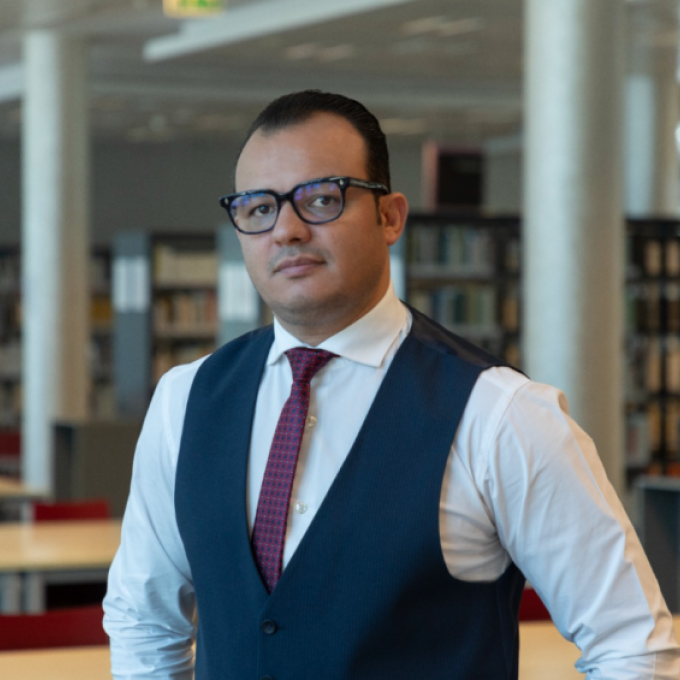
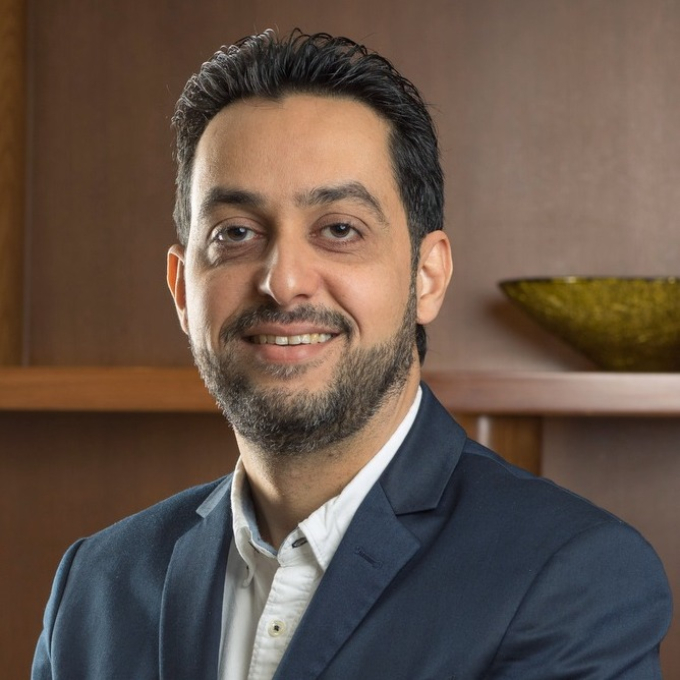
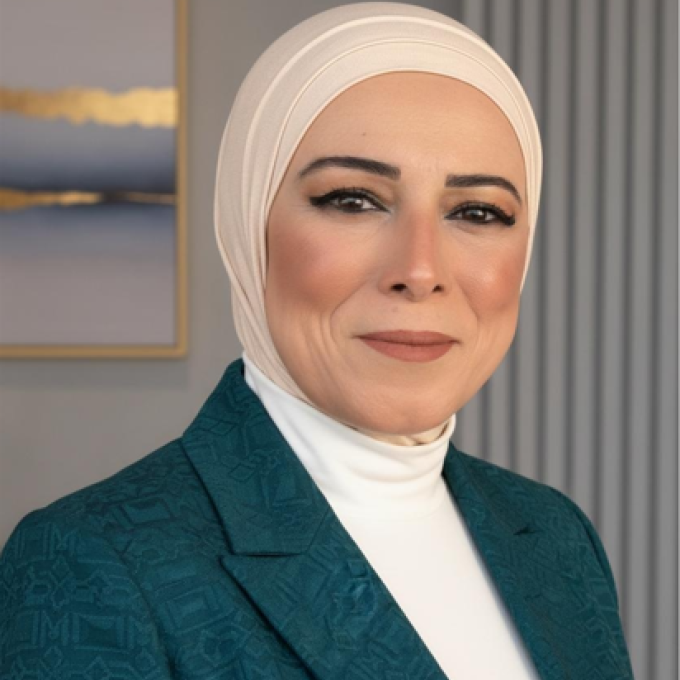
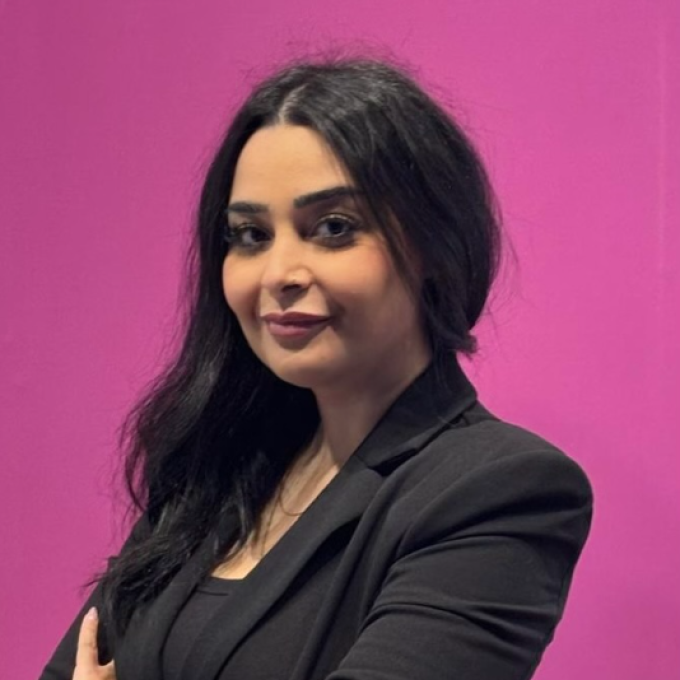
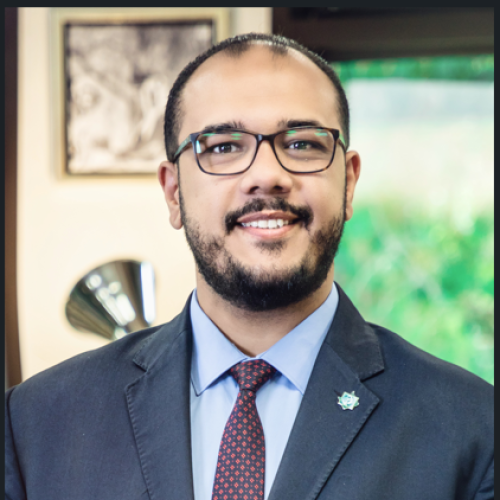
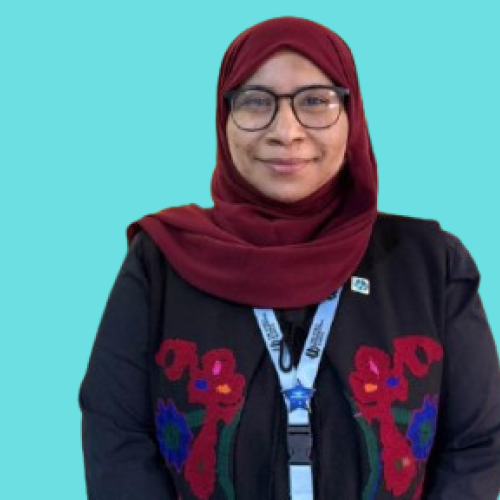
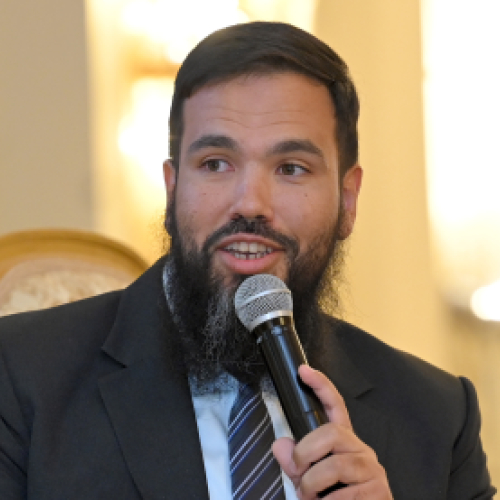
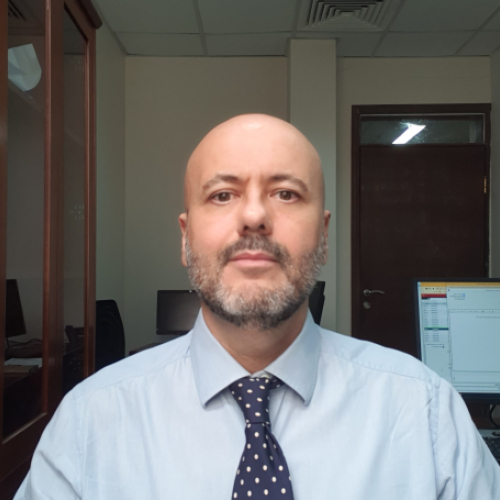
The Leaders in Education Programme at GESS Saudi Arabia 2026 brings together the Kingdom’s most influential educators, policymakers, innovators, and global partners to explore the future of learning in a rapidly transforming nation. As Saudi Arabia accelerates its Vision 2030 ambitions, this programme serves as a strategic platform for shaping educational excellence, fostering innovation, and building meaningful partnerships that support national priorities. Designed for school leaders, system leaders, investors, and international organisations seeking to understand or enter the Saudi market, the programme offers deep insights into policy direction, leadership development, market opportunities, and the evolving needs of learners across the Kingdom.
Education Reimagined: Leading Saudi Arabia's Learning Revolution in an Age of Unprecedented Change
Session Summary:
We stand at education's most pivotal moment in generations. AI is rewriting personalised learning. The workforce demands skills our systems weren't designed to teach. And Saudi Arabia - through Vision 2030 - has committed to transforming its entire education ecosystem while the world watches. This opening keynote challenges every assumption about what education must be and ignites a bold vision for what Saudi institutions can become. Drawing on global innovation and the Kingdom's unique strengths, we'll explore the seismic shifts reshaping education worldwide and position Saudi Arabia not as a follower of trends, but as an architect of education's future. The revolution starts now. Gain insights on:
• The urgent forces reshaping global education and why incremental improvement is insufficient, recognising how AI, workforce transformation, and equity demand create both crisis and unprecedented opportunity for systemic reimagining
• How to connect Vision 2030 priorities to actionable education strategies for Saudi Arabia's national transformation and establish the Kingdom as a global education innovator
• Developing a leadership mindset for driving transformative change with practical principles for navigating complexity, building coalitions, and translating inspiration into institutional impact
Categories
AI and EdTech
-
Skills-First Education: Building Workforce-Ready Graduates for Saudi Arabia's Future Economy
Session Summary:
Are your graduates truly ready for Vision 2030's economy? Employers across Saudi Arabia report a persistent gap: graduates have credentials but often lack the practical skills, adaptability, and competencies the workforce demands. Traditional education prioritises content coverage and degrees, yet the global economy is shifting toward "skills-first" hiring where demonstrated abilities matter more than transcripts alone. This session cuts through the rhetoric to show how schools and universities can make the skills-first transition real. Participants will explore proven frameworks for identifying in-demand competencies, designing curriculum around workforce needs rather than academic tradition, building genuine industry partnerships, implementing microcredentials and digital badges, and measuring actual workforce readiness. Drawing on successful models from leading institutions and aligned with Saudi Arabia's economic diversification priorities, you'll leave with actionable strategies to ensure graduates don't just earn degrees—they gain the technical, digital, entrepreneurial, and human skills to thrive in the Kingdom's rapidly evolving job market. Get insights on:
• How to design competency-based learning frameworks and ensure alignment between educational outcomes and labour market demands specific to Saudi Vision 2030 sectors
• Building effective industry-education partnerships that provide real-time labour market intelligence, and shared accountability for graduate employability outcomes
• How to implement skills recognition and credentialing systems that validates program effectiveness in producing workforce-ready graduates
Speakers
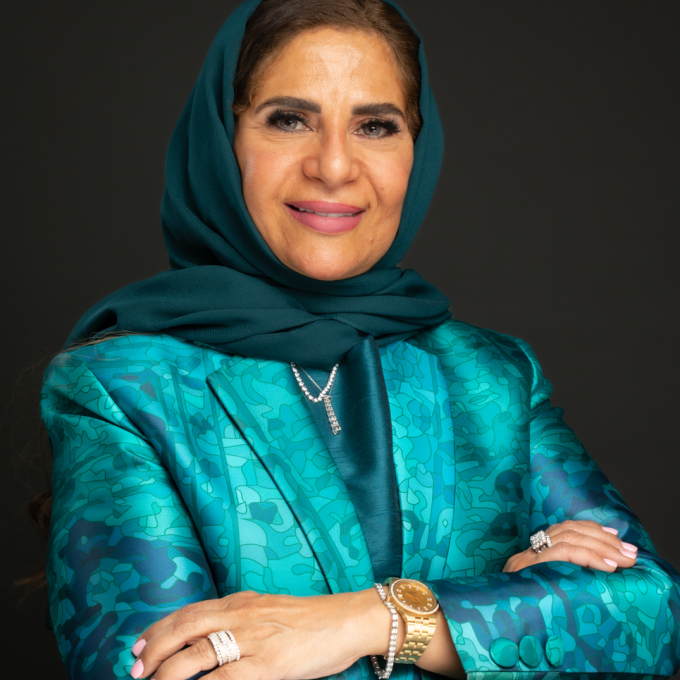
Dr. Maha Bawazir
|
Chief Adviser/Founder - Global Education Consultancy
Future Skills Frameworks: What Education Systems Must Do Now
Session Summary:
As job markets evolve rapidly, education systems face the urgent challenge of preparing students for roles that often do not yet exist. Developing a future-ready workforce requires rethinking traditional curricula and embedding future skills such as AI literacy, digital fluency, critical thinking, creativity, and innovation into every level of education. This panel brings together regional and international experts to share practical frameworks, success stories, and lessons learned from implementing future skills initiatives in schools, universities, and EdTech programs. Panelists will discuss strategies for curriculum redesign, teacher professional development, and systemic approaches that bridge policy, pedagogy, and technology. The session will also explore how AI and emerging technologies can enhance learning while equipping students with the competencies they need to thrive in a rapidly changing economy.
• Create actionable frameworks that can be adapted to your local context
• Learn how to overcome challenges in teacher readiness and resource allocation, and understand the broader implications of future skills development for national and global competitiveness
• Learn how to overcome challenges in teacher readiness and resource allocation, and understand the broader implications of future skills development for national and global competitiveness
Speakers
Rania Obeid
|
Director Consultant - STEM Smart Learning
Dr. Maha Bawazir
|
Chief Adviser/Founder - Global Education Consultancy
Bridging Campus and Career: Strategic Academia-Industry Partnerships for Student Success
Session Summary:
This session explores how strategic partnerships between academic institutions and industry can transform student preparation for the workforce. The discussion examines comprehensive approaches to designing and building programs that train and develop students throughout their university experience, ensuring they are market-ready and recruitable before graduation. Through integrated career and community responsibility practices, scholarship opportunities, and direct employment pathways, these partnerships create seamless transitions from classroom to career. Participants will discover practical frameworks for establishing meaningful collaborations that benefit students, universities, and industry partners alike. The presentation provides actionable strategies for developing programs that align academic learning with real-world requirements, ultimately producing graduates who are prepared, confident, and employment-ready. By the end of this session, participants will be able to:
• Understand strategic academia-industry partnership models and understand how collaborative program design prepares students for market demands and career success
• Design integrated student development programs that combine academic learning with career preparation, and experiential learning pathways that produce work-ready graduates aligned with market needs
• Implement pathways to employment through structured frameworks connecting university programs directly to employment opportunities
Speakers
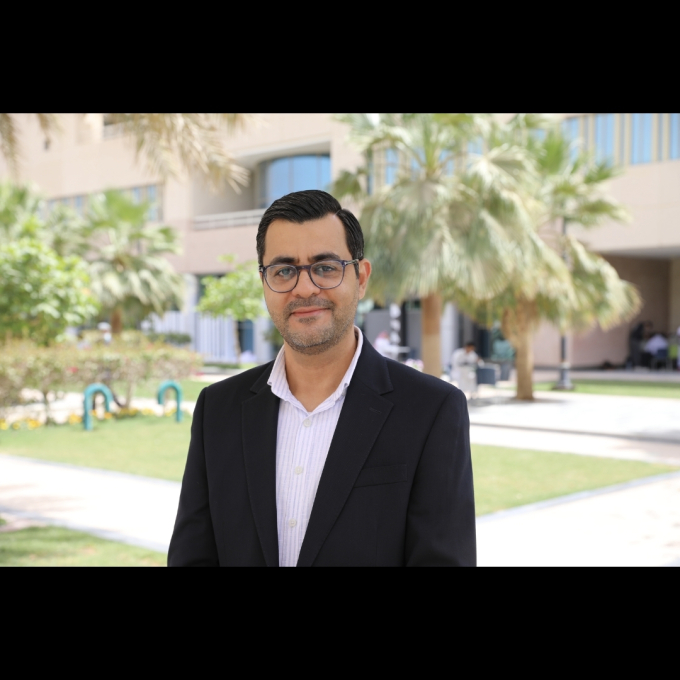
Alhassan Badahdah
|
Director of Student Employment & Training - King Fahad University of Petroleum and Minerals - KFUPM
Categories
Higher Education
-
Employability Starts Earlier Than You Think: Five Things Every School Can Do for their pupils
Session Summary:
Employability does not begin at university, and it certainly does not begin when a student writes their first CV. The foundations are laid much earlier, through the development of social capital, self-awareness, communication skills and meaningful engagement with the world of work.
In this practical and thought-provoking session, Professor Dame Heather McGregor will explore five ways schools can embed employability into everyday learning without significant additional resources. Delegates will discover alternative routes to work experience, examine what employers increasingly value, evaluate their school's current approach, and leave with practical ideas they can implement immediately to improve student outcomes.
Learning Outcomes
By the end of this session, participants will be able to:
Explain why employability needs to start at school, and not wait until university
Show alternative routes to work experience before even arriving at university
Identify the key attributes employers increasingly value, including communication, adaptability, resilience, teamwork and self-awareness. Research highlighted in employability literature emphasises not only technical knowledge but also social, lifelong learning and self-reflective capabilities.
Evaluate their school's current approach to the development of social capital for their students
Develop an action plan to strengthen employability outcomes without requiring significant additional resources.
Progress is powered by people, not systems. This talk introduces to the next wave of AI which moves beyond “tools you operate” and becomes AI teammates and AI digital twin you collaborate with. AI designed as a multi-expert team you can engage in real time, where each “crew member” has a clear role (e.g., strategist, researcher, educator, creator) and the human leads the collaboration. Make knowledge work and acquisition more conversational, contextual, and less repetitive.
Identify the shift from "AI as a tool" to "AI as a digital counterpart"
Evaluate opportunities in human-led AI usage with the context of organizational capabilities
How to begin creating effective human-AI collaboration models
From Classroom to Boardroom - Closing the Financial Fluency Gap in K–12 School Leadership
Session Summary:
This session examines the strategic relationship between operational excellence and financial sustainability in K–12 education across the GCC region. Participants will explore how core operational decisions—from staffing models to resource allocation—directly impact financial performance and institutional resilience. The session provides senior leaders with frameworks to align operational KPIs with growth objectives, moving beyond reactive cost management to proactive, growth-oriented strategies that enhance both educational outcomes and financial sustainability. Join this session to:
• Analyse the structural relationships between operational decisions in staffing, scheduling, and resource utilisation and their direct impact on financial indicators including margin performance and cash flow stability
• Evaluate strategic frameworks for aligning operational KPIs with financial growth objectives, enabling sustainable reinvestment whilst maintaining educational quality and regulatory compliance
• Design governance-level decision-making processes that transform reactive cost control into disciplined, growth-oriented operations capable of supporting long-term institutional resilience and mission delivery
As we look toward the future of education, this talk shifts the focus from what is changing to who makes change possible. It explores the role of the Education Development Institute (EDI), member of Qatar Foundation’s Pre-University Education, in empowering educators through transformative professional development. Drawing on EDI’s work in Qatar and across the region, the talk highlights how strengthening educators’ capabilities can shape the way we teach and learn, drive educational excellence and innovation, and create lasting impact.
Speakers
Dr. Hoda Kain
|
Manager-Teacher Education Programs, Education Development Institute (EDI)- Member of Qatar Foundation.
Categories
AI and EdTech
-
Leadership Development for Digital-First School Principals: Why Human Connection Still Drives Innovation
Session Summary:
As educational institutions rapidly embrace digital-first environments, school leadership must evolve beyond technical proficiency to master relational intelligence. This session demonstrates how effective principals successfully integrate AI tools, data systems, and online learning platforms whilst preserving the foundational elements of trust, belonging, and institutional culture. Participants will discover that whilst technology enables transformation, human connection remains the critical factor determining engagement levels, academic achievement, and sustainable innovation. The session provides a practical leadership framework emphasising that in digital-first schools, relational competence is not merely a complementary skill—it is the essential infrastructure upon which all technological advancement depends. Participants will be able to:
• Evaluate leadership competencies essential for digital-first educational environments that extend beyond technical knowledge to encompass relational intelligence, change management, and culture preservation during rapid technological integration
• Apply evidence-based frameworks for maintaining institutional culture and community connection whilst implementing AI platforms, adaptive assessment systems, and hybrid learning environments that prioritise human-centred innovation approaches
• Design strategic communication and change management approaches that build educator confidence, increase technology adoption rates, and balance data-driven instructional decisions with student belonging, engagement, and holistic educational experiences
Speakers
Chassie Selouane
|
Executive Principal of Schools Al-Feras Educational Company/ Jeddah International School
Categories
AI and EdTech
-
Strategic Guidance & Decision-Making in Times of Change
Session Summary:
Explore how educational leaders navigate complex challenges, make difficult decisions, and maintain institutional vision during periods of rapid transformation and uncertainty. Learn how to:
• Master strategic decision-making frameworks and scenario planning for making high-stakes decisions under uncertainty to navigate complex challenges while maintaining institutional integrity and educational quality
• Develop adaptive leadership capabilities to build organisational resilience and agility by fostering adaptive leadership skills
• Implement effective change communication strategies for communicating difficult decisions, managing stakeholder expectations, and building trust during uncertain times
Speakers
Dana AbuGoura
|
Superintendent - Beech Hall School Riyadh
Dr. Ibtesam Ali Alturki
|
Deputy Head of the School Administration Department - Ministry of Education, Saudi Arabia
-
Brain Architects, Not Babysitters: Why the Earliest Years Matter Most
Session Summary:
Early childhood is not an add-on to a school. It is where a child's brain architecture is built, where families first place their trust, and where the learner journey begins. Drawing on Norland's journey from its founding in 1892 to becoming the world's first University of Early Childhood, and on the development of Norland International across the GCC, Mandy Edmond and Andrew Elias will explore what it takes to bring specialist early years expertise into international school settings. The session will look at the practitioners and leaders who make high-quality provision possible, the standards and philosophy that underpin it, and why early years done well strengthens the whole school: educationally, in family relationships, and from a marketing and recruitment perspective. For early childhood educators, school leaders, owners and investors alike, the message is the same: the earliest years deserve the strongest expertise.
Speakers
Mandy Edmond
|
Deputy Vice-Chancellor - Norland University of Early Childhood
Andrew Elias
|
International Development Lead - Norland University of Early Childhood
Categories
Pre-school and Early Years
-
Building Capacity - invest in your people
Session Summary:
This session will outline my belief that organisations, from the very earliest stages of development, should build structures and capacity to develop their human capital through recruitment for attitude, recognition of talent and outstanding HR support and ongoing professional development.
Speakers
Paul McConnell
|
Group Education Adviser - Riyadh Schools
-
Higher Education - STEAM Areas of Knowledge in Demand
Session Summary:
This session examines the growing global demand for STEAM (Science, Technology, Engineering, Arts, and Mathematics) education and the significant gap in higher education provision. Whilst K-12 institutions increasingly embrace integrated STEAM approaches to meet workforce and innovation demands, higher education remains largely compartmentalised between traditional STEM programmes and liberal arts offerings. This presentation explores the strategic opportunities for universities to develop comprehensive STEAM curricula that bridge disciplinary boundaries, preparing graduates for the interdisciplinary challenges of the modern economy and addressing critical skills shortages in creative-technical hybrid roles. Participants will be able to:
• Analyse the global demand for STEAM competencies and identify the structural gaps between K-12 STEAM preparation and current higher education programme offerings across STEM and liberal arts divisions
• Evaluate strategic frameworks for developing integrated STEAM curricula in higher education that combine technical proficiency with creative problem-solving and design thinking methodologies
• Design institutional models and partnership approaches that enable universities to deliver comprehensive STEAM programmes, addressing workforce needs whilst maintaining academic rigour and accreditation standards
Speakers
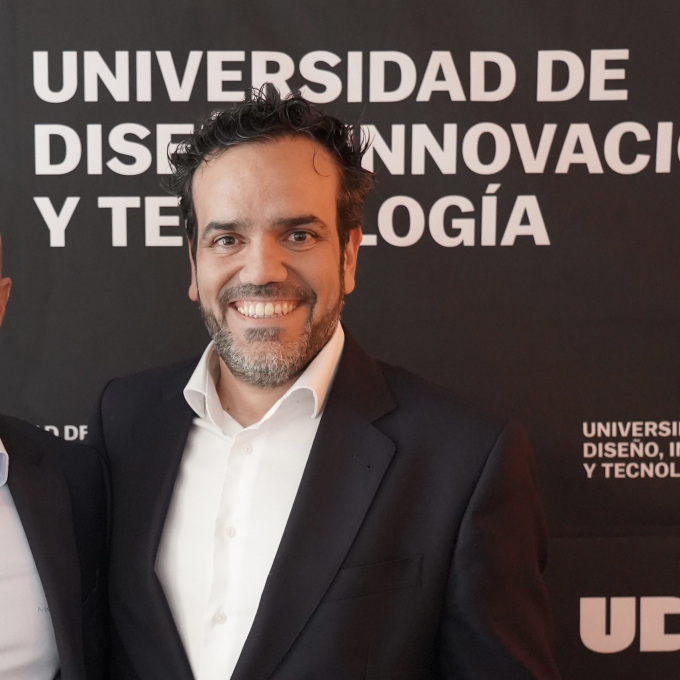
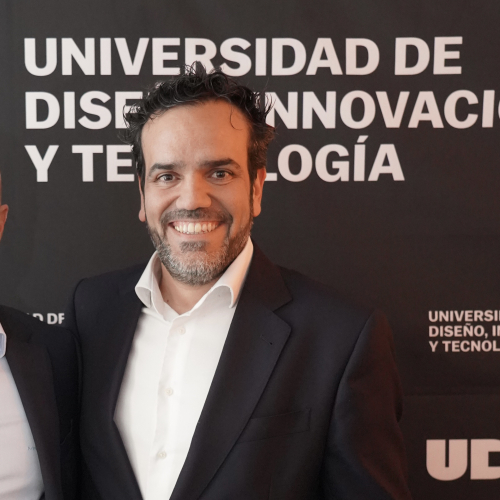
Damian Fernandez
|
Chief Operating Officer - University of Design, Innovation and Technology, Spain
Categories
Higher Education
STEM Education
-
Leading with Integrity: A School-Based Case Study on Ethical Decision-Making in International Education
Session Summary:
This presentation presents a real school-based leadership case study drawn from long-term experience in secondary education and IB Diploma Programme leadership. It highlights how ethical decision-making, aligned with international standards, supports fair assessment, effective transitions, and student-centered learning. The session shares practical examples related to curriculum alignment, MYP–DP transition, language placement, assessment integrity, and the purposeful use of educational technology. Participants will gain realistic insights into how leadership choices influence equity, school culture, and sustainable improvement in international and GCC school contexts, providing frameworks for navigating complex educational decisions while maintaining ethical standards. Join this session to:
• Learn how to integrate ethical decision-making principles with international education standards, using real case studies from IB Diploma Programme contexts to navigate complex leadership challenges while maintaining integrity and fairness
• Gain practical strategies for managing curriculum alignment, MYP–DP transitions, language placement decisions, and assessment integrity issues through ethical leadership approaches that prioritise student success and educational equity
• Discover how ethical leadership choices directly impact school culture, student outcomes, and long-term institutional improvement, with specific focus on international and GCC educational contexts and the strategic use of educational technology to support ethical practices
Speakers
Norah Attari
|
Head of Secondary - IB diploma Program - English Talents School
Categories
Leadership and Professional Development
-
Effective School Governance: The Do's and Don'ts of High-Performing School Boards
Session Summary:
This presentation explores the critical role of school boards in ensuring effective governance, accountability, and long-term institutional success. Drawing on international best practices and real-world boardroom experience, the session highlights the essential do's and don'ts that distinguish high-performing school boards from ineffective ones. Participants will examine core responsibilities including strategic oversight, policy setting, leadership support, ethical governance, and risk management, while identifying common pitfalls such as micromanagement, role confusion, weak accountability, and misalignment with educational outcomes. The session provides actionable guidance for strengthening board effectiveness and enhancing school performance across diverse educational contexts. Join this session to:
• Learn the fundamental do's and don'ts of effective school board governance, including how to focus on strategy rather than operations, maintain clear separation between governance and management, and provide meaningful oversight without micromanaging school leadership
• Discover how to establish robust accountability frameworks, ethical governance practices, and comprehensive risk management strategies that ensure institutional integrity while supporting educational excellence and long-term sustainability
• Explore practical approaches for fostering trust and transparency, aligning board decisions with educational outcomes, supporting school leadership effectively, and creating collaborative governance structures that add genuine value to institutional success
For too long, school has looked and felt the same — rows of desks, one-size-fits-all lessons, and a system built for a 19th-century world. But that model simply doesn’t work for every child, and families know it. What’s exciting now is that we’re no longer talking about what schools could be. We can show you what one school already is doing — and how it’s transforming lives today. In this talk, we’ll lift the lid on a fast-growing movement in UK education, one that’s rethinking everything from teacher time to student wellbeing — with remarkable results. You’ll hear how flipped learning, 1:1 mentoring, and a reimagined school week are being put into action with sincerity and care, not as gimmicks or tech experiments, but as part of a grounded model that any school could adopt with the right mindset. You’ll also meet the students — young people who are thriving in a model that puts them at the centre, not at the edges. This isn’t the future of schooling in theory. It’s the present, already happening, with outcomes that are transformational, both emotionally and academically.
There’s a reason this school is growing faster than any other school in the UK. The demand is real — from parents, students, and local authorities alike — and the model works.
The future of schooling is already here. It’s time to take a closer look.
Speakers
Hugh Viney
|
Founder & CEO - Minerva Virtual Academy (MVA)
-
Leading the Learning Revolution - How School Leaders Can Transform Education in the Age of AI and Opportunity
Session Summary:
School leaders across Saudi Arabia and the GCC are navigating a period of unprecedented complexity—where rising expectations, rapid technological change, and evolving community needs are reshaping the role of education. This keynote explores the five critical pressures defining leadership today: student wellbeing, financial sustainability and teacher shortages, AI integration and future-ready skills, family trust and engagement, and the growing need for connected systems. Grounded in regional priorities such as Vision 2030 and workforce readiness, this session offers a forward-looking perspective on how these challenges are not just obstacles, but opportunities to lead transformation at scale. It highlights how leaders can move from fragmented approaches to cohesive, data-informed, and human-centered strategies that support students, empower educators, and strengthen trust with families. Designed for senior education leaders, this keynote provides a clear, regionally relevant narrative on what matters most now—and how schools can confidently shape the future of learning in a rapidly changing world.
Building Strong Foundations: Early Childhood Education Excellence in the Saudi Context
Session Summary:
Early childhood education serves as the cornerstone of lifelong learning, shaping cognitive, social, and emotional development during the most critical years of human growth. This session explores evidence-based approaches to early childhood education that align with Saudi Vision 2030's commitment to educational excellence and cultural values. Participants will discover how to create developmentally appropriate learning environments that honour Saudi heritage while preparing young learners for success in a rapidly evolving global landscape. The session emphasises practical strategies for implementing play-based learning, fostering Arabic language development, and building strong partnerships between families, educators, and communities. Join this session to:
• Learn to create developmentally appropriate educational settings that integrate Saudi cultural values, Islamic principles, and Arabic language development while incorporating international best practices in early childhood education
• Discover how to apply play-based learning, inquiry-driven exploration, and social-emotional learning frameworks that support holistic child development and prepare students for future academic success aligned with Vision 2030 goals
• Explore strategies for engaging families and communities as active partners in early childhood education, creating supportive networks that extend learning beyond the classroom and strengthen cultural identity while promoting educational excellence
Speakers
Maryum Nawaz
|
Partnership Development Manager MENA - FinlandWay Preschools